VA Vidu Ai

USE CASE GUIDE

Plan a natural vidu ai hug scene

Use vidu ai hug prompts to shape the mood, framing, pacing, and relationship between two subjects before you generate. Start with a clear action brief, then refine the result for a social post, story beat, or character moment.

Free to start · no signup

the audience's existing pipeline

A hug scene usually begins as a rough emotional idea and moves through scripting, visual planning, generation, review, and delivery. Vidu AI fits between the visual brief and the first usable motion draft.

Short-form creator

You have a reunion concept but need a quick visual beat for a vertical reel or story post.

Turn the emotional idea into a compact scene with a clear entrance, embrace, and release. For a contrasting gesture, compare the workflow with vidu ai kiss, which focuses on a more intimate action.

vidu ai kiss

Storyboard artist

Your boards show two characters meeting, but the movement between panels is difficult to communicate.

Use a generated motion reference to test body position, camera distance, and timing before drawing or editing the final sequence. The vidu ai kiss page is useful when the scene needs a different level of intimacy.

vidu ai kiss

Indie filmmaker

A small production needs a visual test for blocking and tone before committing to a location or cast rehearsal.

Create a lightweight previsualization that shows whether the hug feels restrained, joyful, awkward, or dramatic. This makes the creative decision easier to discuss with collaborators.

vidu ai kiss

Brand content team

A campaign needs a human moment that communicates welcome, reunion, support, or community without a long dialogue scene.

Build a concise concept draft, then adjust wardrobe, setting, framing, and emotional intensity before handing the direction to production or post.

vidu ai kiss

where we slot in

The most useful place for Vidu AI is after the idea is specific enough to direct but before the team spends time polishing a full production. Think of the output as a visual draft, not an automatic replacement for review.

Loose concept

Simple written concept for two people meeting
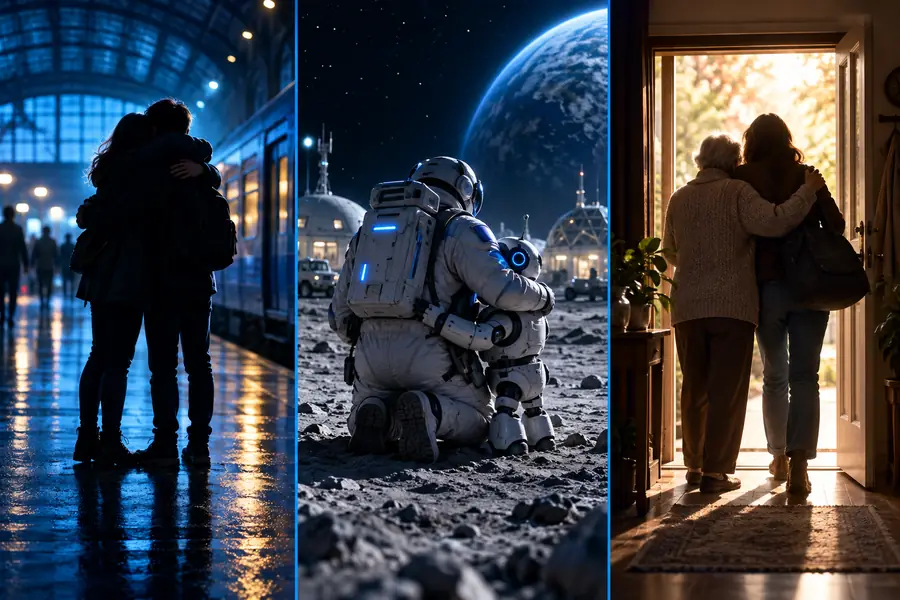
Generated example of two people sharing a warm hug
Motion direction

before/after

A strong hug brief reduces ambiguity before generation. These planning targets keep the scene focused without turning a simple human moment into an overloaded prompt.

Define the central gesture: approach, embrace, hold, or release.
1 action
Describe both people consistently so the relationship reads clearly.
2 subjects
Plan the beginning, emotional peak, and ending of the shot.
3 beats
Choose a vertical composition when the destination is mobile-first content.
9:16 frame

deliverable spec

Use this planning calculator to estimate how many short hug-scene drafts you want to review. The outputs are simple working estimates for organizing a creative session, not a promise about generation speed or platform limits.

Review minutes
min
Selected seconds
sec
Planning minutes saved
min

scenario FAQ

Choose the simplest direction that matches the purpose of the scene. More detail helps when continuity matters; less detail can leave room for expressive variation.

1

Choose a warm, documentary-style brief

Describe the relationship, setting, body language, and camera movement in plain language.

Natural phrasing helps preserve an unforced feeling instead of making the action look staged.

2

Choose a cinematic brief

Add lighting, lens perspective, pacing, color mood, and a clear start-to-finish action arc.

A stronger visual structure gives the scene a defined role inside a larger story.

3

Choose a social-first brief

Specify the aspect ratio, opening moment, emotional hook, and a readable ending.

Short-form viewers need the relationship and gesture to register quickly on a small screen.

How this format got here

The hug-scene workflow has evolved from describing a feeling to directing a small, reviewable piece of motion. Each stage adds control without losing the emotional center.

  1. Emotion came first

    Creators began with a sentence such as reunion, comfort, or farewell, then translated the feeling into a script, storyboard, or live-action plan.

  2. The action became explicit

    Prompts started naming the subjects, setting, gesture, and camera so a model could distinguish a hug from a wave, handshake, or passing encounter.

  3. Continuity mattered more

    Teams began supplying visual references and clearer character descriptions to keep clothing, appearance, and positioning more stable across attempts.

  4. Drafts became deliverables

    A generated hug can now serve as a concept test, social draft, storyboard aid, or review asset before a final edit and human quality check.

scenario FAQ

Answers for people searching for a practical way to plan and review a Vidu AI hug scene.

The phrase usually refers to creating a short AI-generated video of two people embracing. It can support social content, story visualization, mood boards, previsualization, and quick concept testing.

Name the subjects, their relationship, location, emotional tone, camera framing, and the action sequence. A useful prompt explains how the subjects approach, embrace, hold the pose, and separate rather than only saying “make a hug.”

It can look more natural when the prompt uses restrained body language, a clear camera position, and a simple setting. Review several drafts because hands, faces, contact points, and timing may still need selection or further refinement.

Check identity consistency, anatomy, facial expressions, clothing continuity, and whether the gesture matches the intended relationship. Also confirm that you have permission to use any real-person reference and that the final scene fits the expectations of its audience.

Start creating
Start creating