Required
A specific creative brief describing the subject, action, setting, camera movement, and visual style
Short, concrete prompts are easier to evaluate.
Independent view
This vidu ai review reddit guide treats community comments as signals, not proof. It explains what Vidu Ai appears designed to do, where results can fall short, and how to test the workflow with your own brief.
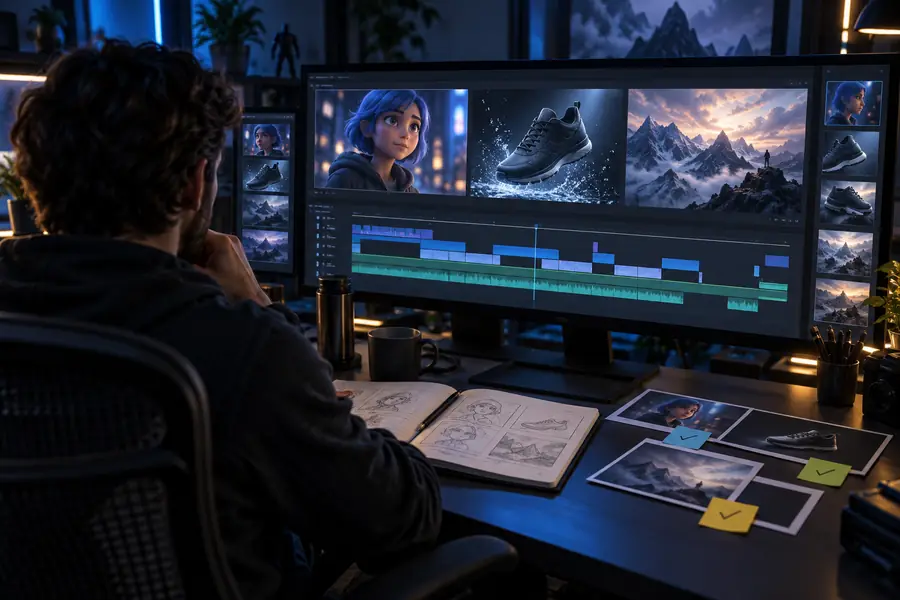
Before testing
A useful review starts with a controlled test rather than a single impressive clip. Keep the input, prompt, and evaluation standard clear so the result is comparable.
Short, concrete prompts are easier to evaluate.
Use a clean image with a clear subject and uncluttered background.
Decide what matters before watching the output.
One render may reflect randomness rather than the typical result.
This makes comparisons easier and avoids relying on memory.
Read the caveats
Community reviews often focus on the best-looking output. A fair assessment also records the limits that appear when the prompt becomes specific, the motion becomes complex, or continuity matters.
A generated clip may change small details, ignore a requested action, or interpret camera language differently from the brief.
WorkaroundUse shorter prompts, separate competing instructions, and compare multiple variations.
Faces, clothing, hands, props, and background details can drift between frames or across separate generations.
WorkaroundStart with a strong reference image and keep descriptions of identity and wardrobe consistent.
A short generated clip is only one asset. Timing, sound, captions, transitions, branding, and final export still need review.
WorkaroundTreat the output as a scene or draft shot, then assemble and polish it in an editor.
Posts and comments reflect different prompts, model versions, expectations, and levels of experience.
WorkaroundLook for repeated patterns, inspect examples, and run a small test with your own use case.
Related reading
The most useful comparison is between workflows, not popularity claims. These related pages cover the formats and trust questions that usually sit beside a review.
Choose your test
Different users will reach different conclusions because they value different parts of the workflow. Match the test to the job before deciding whether the tool is useful.
1
Use a short prompt to explore atmosphere, framing, movement, or visual direction.
This is where iteration can matter more than exact continuity or production polish.
2
Begin with a carefully prepared reference image and test several variations.
A controlled input gives you a better basis for judging identity and detail drift.
3
Evaluate the generated clip as one asset inside a larger production workflow.
Editing, sound, captions, rights checks, and quality control remain separate responsibilities.
Judge the output
A before-and-after comparison is more useful than a vague claim that one clip looks good. Compare the starting brief or image with the generated result and name the visible trade-offs.
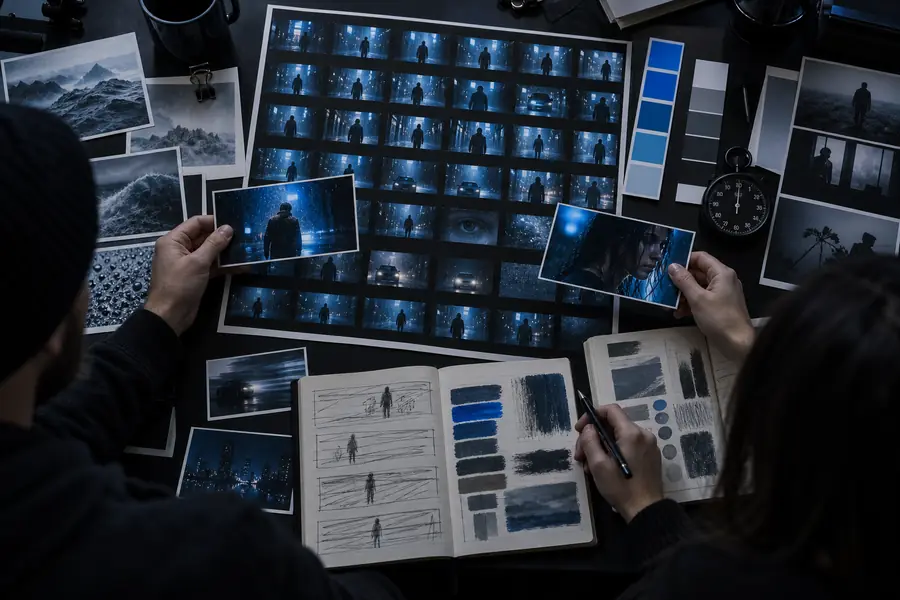
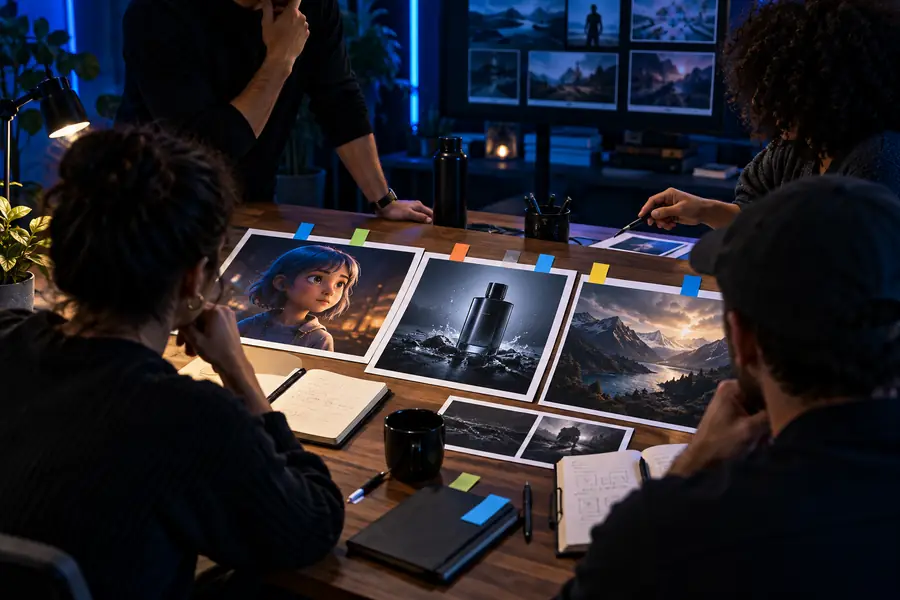
Check subject identity, motion, framing, and unwanted changes before judging the result.
A fair review loop
A repeatable three-step process keeps enthusiasm and disappointment from distorting the conclusion.
Write one clear brief with a subject, action, setting, framing, and style. Decide which two or three qualities matter most.
Run comparable attempts with the same basic brief. Save the inputs and outputs so a strong frame is not mistaken for a consistent pattern.
Score motion, continuity, detail, and usefulness in the intended workflow. Keep the tool when its strengths outweigh the corrections your project requires.
Questions readers ask
These answers reflect the questions commonly attached to Reddit and YouTube searches, while keeping the limits of anecdotal reviews visible.
No. A Reddit post can reveal practical experiences, recurring problems, and useful prompt ideas, but it usually represents one person’s inputs and expectations. Compare several examples and run a small test with your own brief.
Look for the prompt, source image, output length, visible edits, and whether the author shows more than one attempt. Reviews are more useful when they explain what failed as well as what worked.
Not automatically. A YouTube review may show the interface and a longer workflow, while Reddit can provide a wider range of quick user experiences. Both should be treated as demonstrations, not independent performance guarantees.
Results can vary with the prompt, source material, requested motion, model or workflow used, and the reviewer’s quality standard. A creator testing concept art may be satisfied with an output that a production team would still need to replace or edit.
Use a defined brief, save every input, test several variations, and judge the same criteria each time. Record both strengths and failure cases so the conclusion describes a workflow rather than a single lucky clip.